
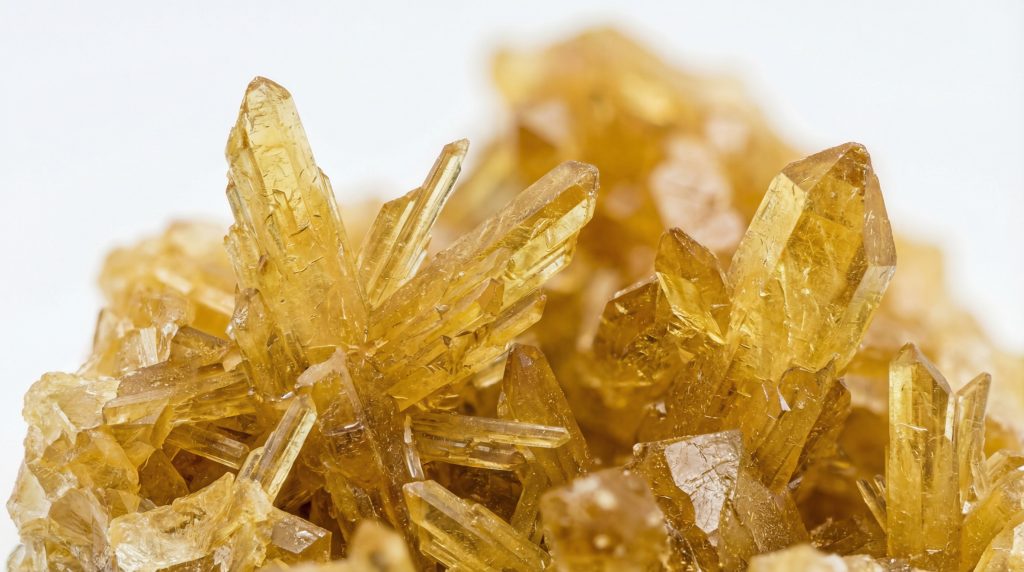


- Uric acid stones form when there is too much uric acid in your urine or your body can’t get rid of it efficiently.
- Common symptoms include sudden sharp pain in the back or side, blood in urine, and frequent or burning urination.
- Treatment usually combines medical care, diet changes, hydration, and supportive supplements like Nano Singapore’s Uric Acid Cleanse Formula.
For many people, the first sign of a kidney stone isn’t a gradual ache—it’s a sudden, agonizing wave of pain that leaves you breathless. Among the various types of kidney stones, uric acid stones are particularly common, yet they are often misunderstood. Unlike stones made of calcium, these form specifically because of a chemical imbalance in your body’s waste management system.
If you’ve ever dealt with the discomfort of gout or have been told your uric acid levels are high, you are already at a higher risk. However, the good news is that uric acid stones are among the most “manageable” types of stones because they are highly sensitive to changes in diet and lifestyle. By understanding what causes them and how to treat them, you can take proactive steps to protect your kidneys and avoid a trip to the emergency room.
What Are Uric Acid Stones?
Uric acid stones form when uric acid crystals clump together in your urinary tract. Uric acid is a natural waste product created when your body breaks down purines—substances found in your own cells and in many foods like red meat and certain seafood.
Normally, uric acid dissolves in your blood, travels to the kidneys, and leaves your body through urine. However, if your body produces too much of it, or if your kidneys can’t flush it out fast enough, the acid concentration becomes too high. When your urine also becomes too acidic (low pH), these crystals stop dissolving and start building into hard stones.

Common Causes of Uric Acid Stones
Several factors can tip the scales toward stone formation. Understanding these causes is the first step in prevention.
- High-Purine Diet and Alcohol
The most direct cause is often what we put on our plates. A diet heavy in “purine-rich” foods—such as organ meats, beef, sardines, and mussels—increases the uric acid load on your kidneys. Alcohol, especially beer, is a double threat: it is high in purines and it dehydrates you, making it harder for your kidneys to stay clear. - Highly Acidic Urine (Low pH)
Even if your uric acid levels are normal, you can still develop stones if your urine is too acidic. Acidic urine acts like a “glue” for uric acid crystals. This acidity is often linked to high animal protein intake, low consumption of fruits and vegetables, and metabolic issues like insulin resistance. - Chronic Dehydration
Water is the ultimate solvent. When you don’t drink enough, your urine becomes concentrated. In this concentrated environment, minerals and acids have a much easier time sticking together to form stones. If you live in a hot climate or exercise intensely without rehydrating, your risk spikes significantly.
Recognizing the Symptoms
Some uric acid stones are tiny and pass without you even noticing. However, when a stone gets stuck or moves into the ureter, the symptoms are hard to ignore:
- Sudden, severe pain in the back or side, often radiating to the groin.
- Blood in the urine, which may look pink, red, or brown.
- Frequent urge to urinate or a burning sensation when you go.
- Nausea and vomiting caused by the intensity of the pain.
- Cloudy or foul-smelling urine, which can sometimes indicate an associated infection.
If you experience fever or chills along with these symptoms, it could mean an infection is present, and you should seek medical care immediately.
Treatment and Management Options
The goal of treatment is twofold: managing the current stone and preventing the next one.
- Medical Procedures
For large stones that won’t pass on their own, doctors may use Shock Wave Lithotripsy (SWL) to break the stone into smaller pieces using sound waves, or Ureteroscopy, where a small scope is used to remove the stone directly. - Dissolving the Stone
Uric acid stones are unique because they can sometimes be dissolved without surgery. By taking alkalinizing agents (like potassium citrate) to make the urine less acidic, the stones can actually begin to break down and dissolve back into the urine. - Targeted Supplementation
Alongside medical guidance, many people use targeted formulas to support their kidney health. Nano Singapore’s Uric Acid Cleanse Formula is designed to support healthy uric acid metabolism and promote urinary tract health. It combines traditional herbal ingredients that help the body manage uric acid levels and support the kidneys in their natural cleansing process.
Prevention: The Power of Lifestyle
Preventing uric acid stones is largely about balance.
- Hydration is Key: Aim for 2–3 liters of water daily. If your urine is pale yellow, you’re likely on the right track.
- Eat More Plants: Fruits and vegetables help make your urine more alkaline, which prevents crystals from forming.
- Moderate Purines: You don’t have to cut out meat entirely, but try to balance animal proteins with plant-based options like beans and lentils.
- Weight Management: Maintaining a healthy weight reduces the metabolic stress on your kidneys and helps keep uric acid production in check.

Taking Control of Your Kidney Health
Uric acid stones are a painful reminder that our internal chemistry needs balance. While the pain can be overwhelming, the solution is often found in the small, daily choices we make—what we drink, what we eat, and how we support our organs.
By staying hydrated, choosing a balanced diet, and utilizing supportive tools like the Uric Acid Cleanse Formula, you can help your kidneys function at their best. When you buy supplements online to support your long-term health, you’re taking a proactive step toward wellness. Don’t wait for the pain to start; start supporting your uric acid balance today.
FAQs
- Can uric acid stones be dissolved?
Yes, unlike many other kidney stones, uric acid stones can often be dissolved by making the urine more alkaline through medication and diet. - Is there a link between gout and kidney stones?
Yes. Both are caused by high uric acid levels. Gout affects the joints, while stones affect the urinary tract. - What is the best drink for uric acid stones?
Water is best. Adding a squeeze of lemon can also help, as it provides citrate which helps prevent stone formation. - How long does it take to pass a stone?
Small stones can pass in a few days, while larger ones may take weeks or require medical intervention. - Are supplements safe if I have stones?
Supplements like Uric Acid Cleanse Formula are designed for maintenance. However, if you have an active stone or kidney disease, always consult your doctor first.
References
- Fathallah-Shaykh, S., MD. (n.d.). Uric Acid stones: Practice Essentials, Pathophysiology, Etiology.
- Uric Acid nephrolithiasis: recent progress and future directions. (n.d.). PubMed.
- Uric acid stones. (n.d.). National Kidney Foundation.
- Singapore, N. (n.d.). Best Uric Acid Supplement | Uric Acid Cleanse Formula – 120ct. Nano Singapore.
- Kidney stones – Symptoms and causes. (n.d.). Mayo Clinic.
